Lay out diversified payment in Thailand, grasp the new key to growth
Thailand, the second-largest economy in Southeast Asia, is undergoing a profound and complex structural transformation in its payment market. On one hand, the deeply-rooted cash culture still holds a significant position in the social and economic sphere; on the other hand, the digital revolution driven by the government and led by tech giants is reshaping the payment ecosystem at an unprecedented speed.
Multiple factors shape the payment model
Strategic guidance at the policy level
The Thai government has elevated digitalization to a national strategic level. Through the mandatory promotion of the PromptPay system and innovative mechanisms such as regulatory sandboxes, a favorable policy environment has been provided for payment innovation. Meanwhile, the Bank of Thailand (BOT) has systematically advanced the modernization of payment infrastructure through documents such as the “Payment System Roadmap”.
Technological diffusion and Consumer Changes
The penetration rate of smart phones has significantly increased, providing a hardware foundation for digital payment. The younger generation, as “digital natives”, have an extremely high acceptance of electronic payment and are gradually changing the payment habits of the entire society.
Economic structure transformation drive
The recovery of the tourism industry has led to an increase in cross-border payment demand, and the digitization of retail has promoted the integration of online and offline payments. Especially in core cities such as Bangkok, digital payment is gradually shifting from “optional” to “standard”, and this trend is spreading to second- and third-tier cities.
Social and cultural factors have an influence.
On the one hand, consumers desire immediate and convenient payment methods, while on the other hand, they show a high level of acceptance for installment payments. This contradiction and unity have shaped the uniqueness of the payment market in Thailand.
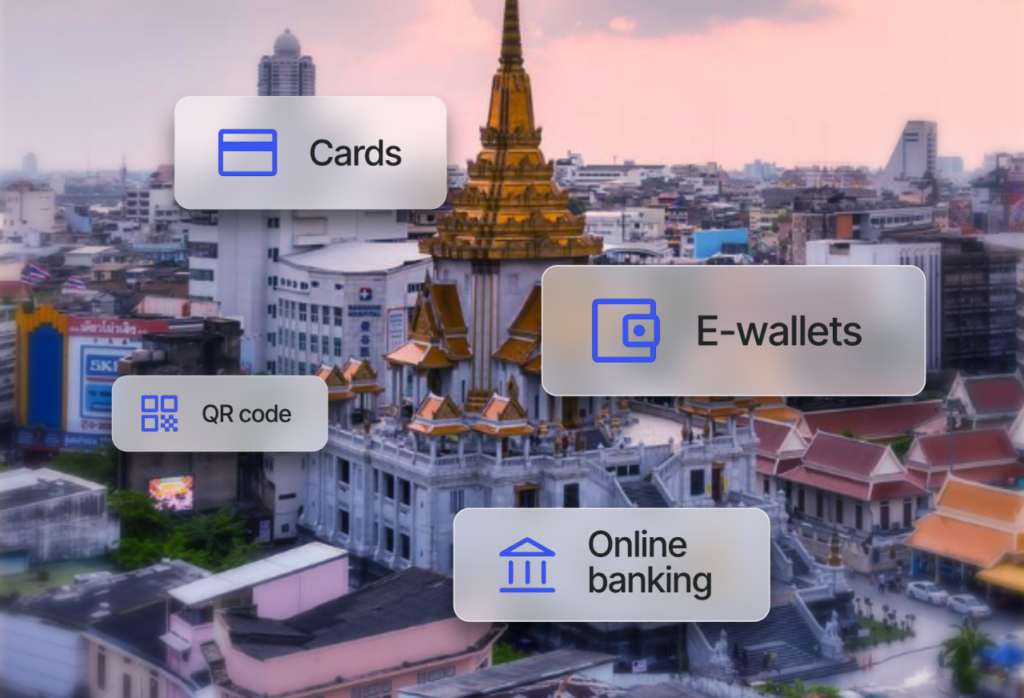
The triangular game among cash, digital wallets and the “installment” culture
The payment market in Thailand is a typical example where tradition and modernity blend together, presenting a distinct feature of “cash reigns supreme but the digital wave is surging”.
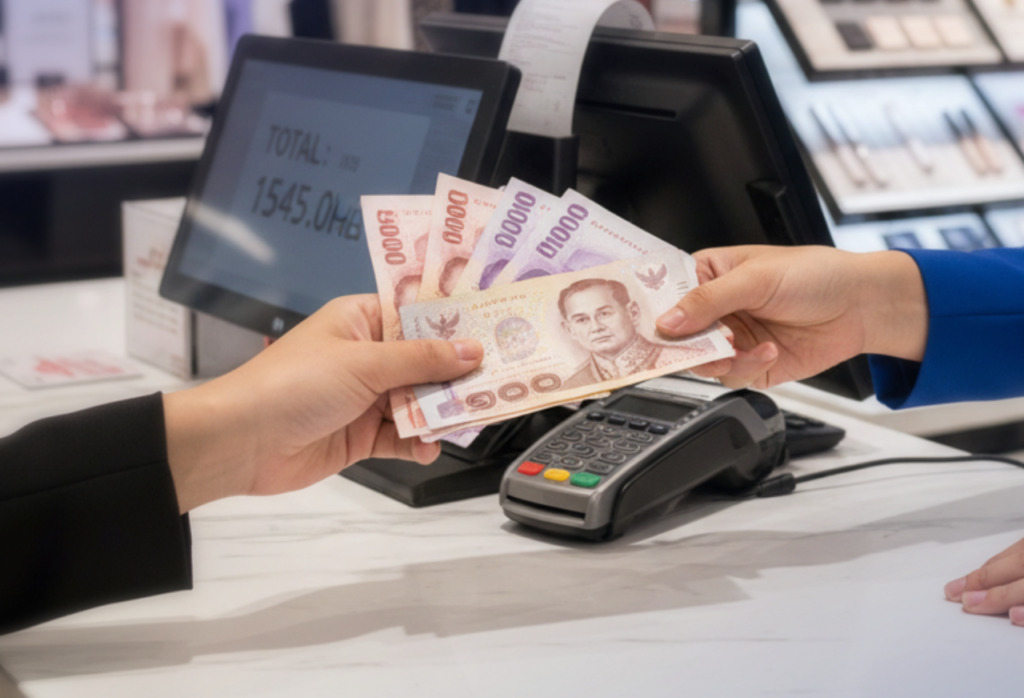
Cash (accounting for approximately 45%): The fundamental cornerstone of the “street economy”
- The informal economy is vast: A large number of street vendors, marketplaces, motorcycle taxi drivers, and small and medium-sized businesses form the capillaries of Thailand’s economy. Cash is its most direct and frictionless means of transaction.
- Trust and Habit: For the elderly, the sense of security brought by holding physical cash and the distrust of electronic systems make cash payment the preferred option.
Electronic wallets and instant payment (accounting for approximately 30%): The digital life gateway driven by super apps
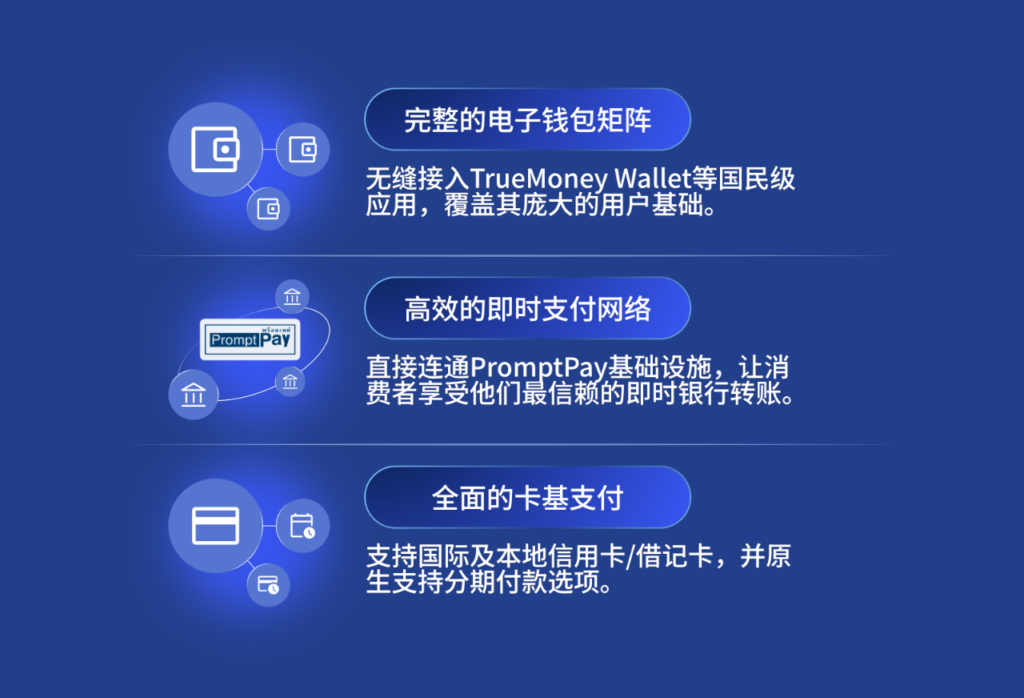
PromptPay: This national instant payment infrastructure was jointly established by the Bank of Thailand (the central bank) and the Thai Bankers Association. It is a public and standardized back-end system. The launch of PromptPay has significantly reduced the overall transfer costs and time in society, and it is one of the most successful cases in Thailand’s digitalization process.
TrueMoney Wallet: It is an electronic wallet application directly targeting consumers, developed and operated by scend Money, a fintech company under the True Corporation, a major telecommunications and media giant in Thailand.
Others: Such as the SCB EASY service provided by SCB Bank, as well as the payment functions embedded in super apps like Grab, together constitute a diversified digital wallet matrix.

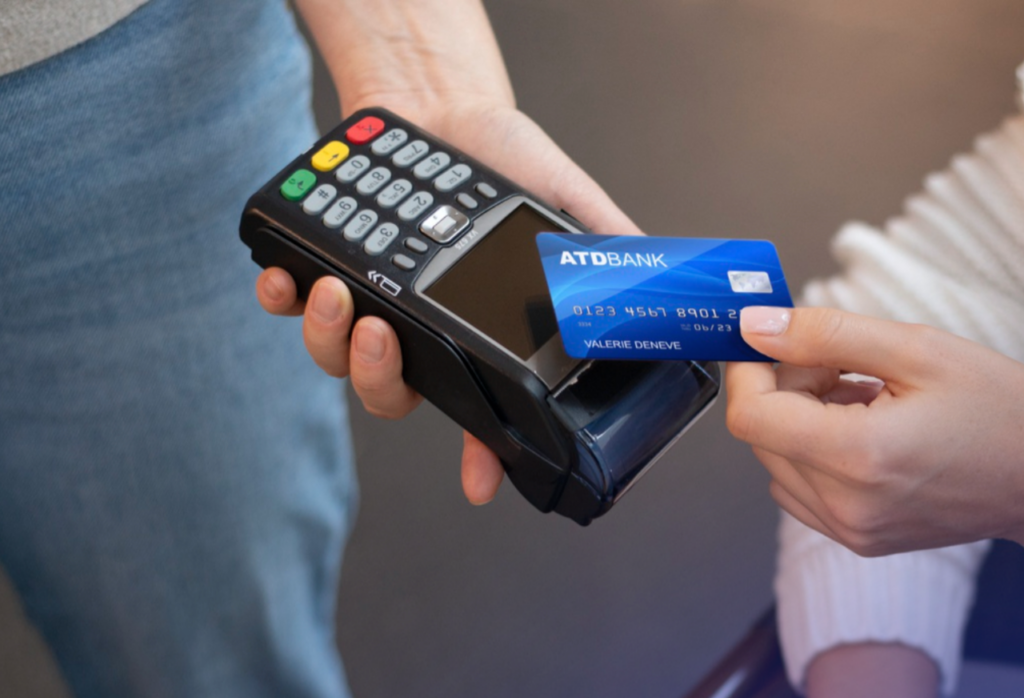
Bank cards (accounting for approximately 20%): The “big-ticket” consumption engine for credit and installment payments
Installment consumption culture: “0% installment payment” is widely adopted in the retail industry of Thailand. From the latest smartphones and laptops to household appliances, installment shopping has greatly stimulated consumers’ desire and ability to spend.
The symbol of the expansion of the middle class: The number of credit card holders is regarded as an important indicator for measuring an individual’s financial creditworthiness, and is closely linked to the growth of the middle class.
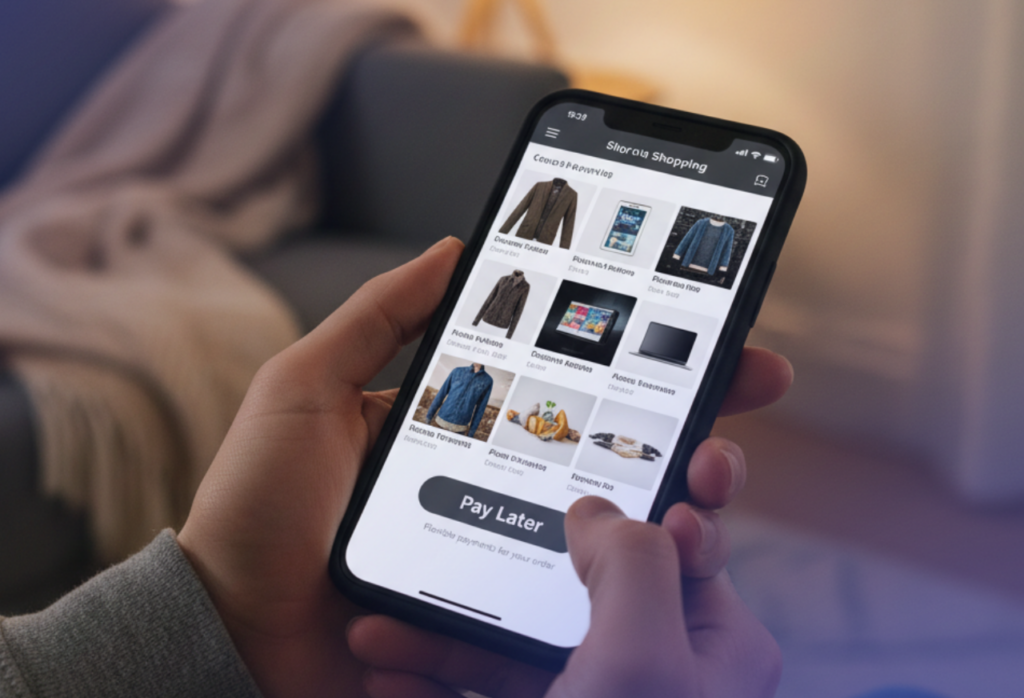
Emerging force: Buy Now Pay Later (BNPL) (accounting for approximately 5%) – The digital evolution of the installment culture
The success of BNPL in Thailand represents a digital upgrade of the deeply-rooted installment payment habit in the Thai society. For a long time, “0% installment payment” has been a standard feature of Thai credit cards and offline retail. BNPL has extended this habit from credit cards and large shopping malls to a broader group of cardless young people and fragmented online consumption scenarios.
Transform payment challenges into growth opportunities
In the face of such a fragmented and dynamically changing payment environment, the value of PayCools lies in building an “intelligent bridge” for enterprises to access the wallets of Thai consumers. PayCools holds four major payment business licenses issued by the Bank of Thailand (BOT), covering electronic money, cross-border remittances, acquiring, and digital wallet services.
Its core capability lies in its powerful technology integration. Through a simple API, enterprises can seamlessly integrate it.
In the complex payment ecosystem of Thailand, the real opportunity for enterprises lies in reaching every consumer. The value of PayCools is precisely in simplifying complexity and choosing us means choosing a local payment strategy partner, helping you transform the intricate payment challenges into clear and definite growth opportunities.