The cashless society in the Philippines is accelerating its evolution, ushering in a new era of digital payments.
Once upon a time, the Philippines was an economy dominated by cash. In recent years, a cashless payment revolution, jointly promoted by the government, fintech giants, traditional banks and international forces, has been sweeping this archipelago country at an unprecedented speed, and a digital financial ecosystem is becoming increasingly mature.
National Strategy: Government-led Digital Infrastructure and Inclusive Finance
The Philippine government plays a crucial architect and catalyst role in promoting the transformation to a cashless society. Its strategy has evolved from a macro initiative to specific infrastructure construction and policy implementation.
Central bank’s promotion, results are evident: The Central Bank of the Philippines has been continuously implementing its digitalization roadmap. The most notable achievement is reflected in its national fast payment system. The transaction volumes and the number of participating institutions of InstaPay (small-scale real-time transfers) and PESONet (large-scale batch transfers) have been continuously increasing, forming the backbone network of digital payment. The cashless society has moved from vision to reality.
State-owned banks as policy execution arms: State-owned banks such as Land Bank of the Philippines (LANDBANK) and Development Bank of the Philippines (DBP) are the key implementers of government policies. LANDBANK achieved an astonishing growth of digital transaction volume of over 3.14 trillion pesos in the first nine months of 2025, with a year-on-year increase of 36%.
Policy Guidance and Regulatory Innovation: The government has set the stage for industry innovation through policies such as issuing digital banking licenses, promoting the QRPH standard to make the QR code a national standard, and exploring central bank digital currencies. These measures provide a framework and direction for the industry’s innovations.

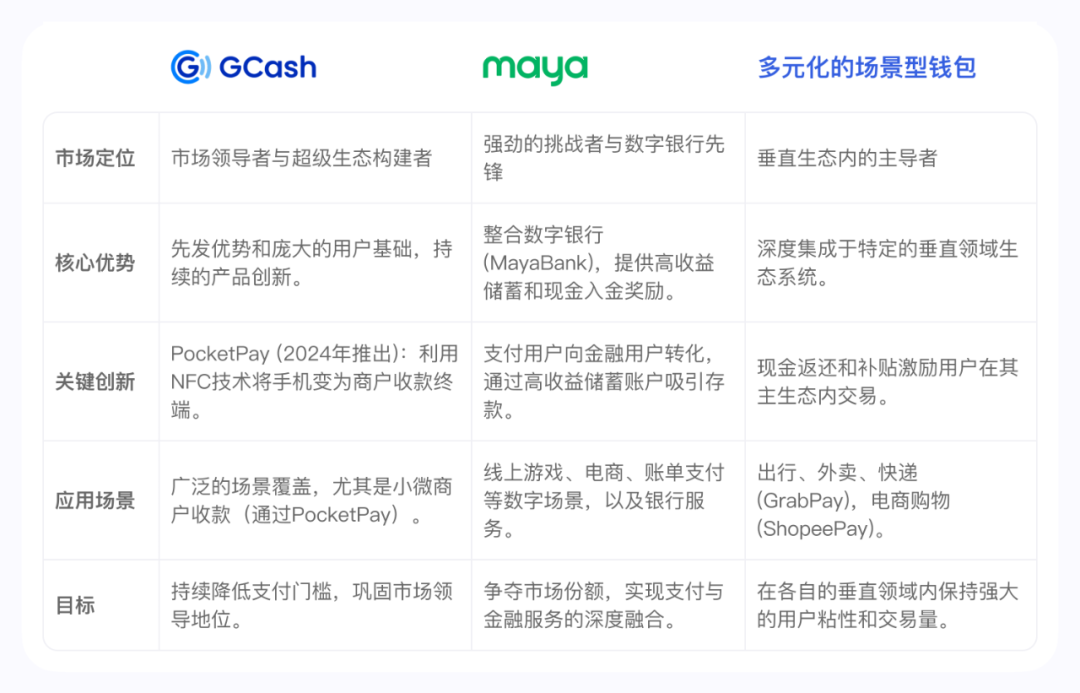
Two electronic wallet giants competing in an ecological manner
The intense competition in the electronic wallet market of the Philippines has jointly promoted the widespread adoption and innovation of payment methods.
International Link: Overseas Chinese Bank of Singapore Promotes Regional Payment Integration
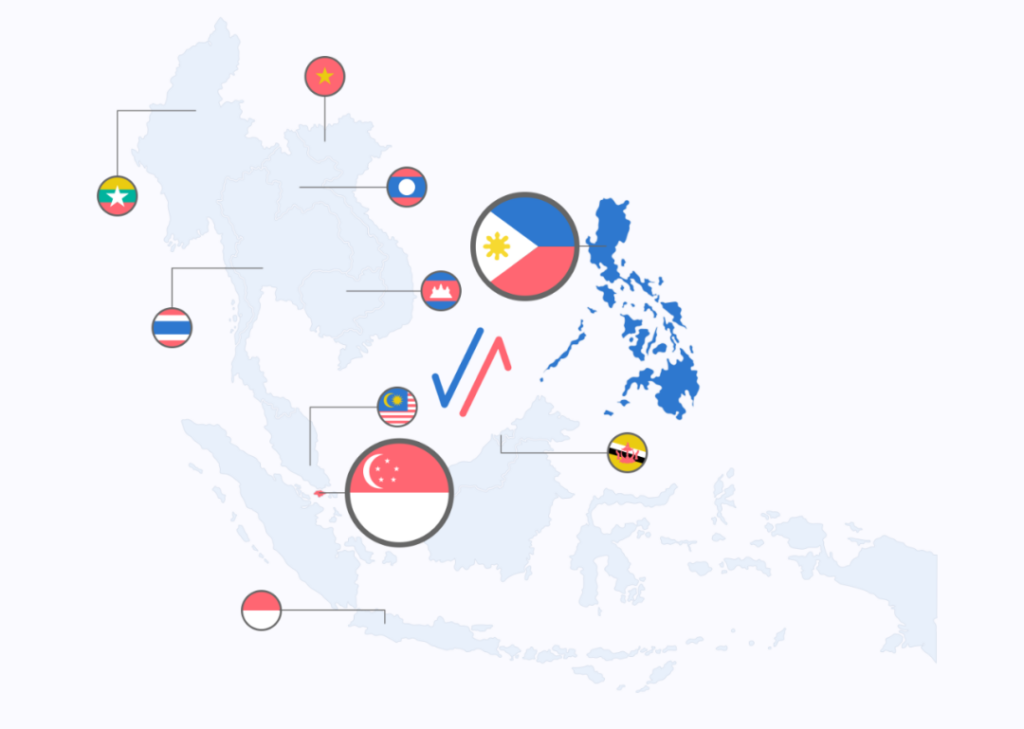
In 2025, the internationalization process of the digital payment ecosystem in the Philippines made an important step forward. OCBC, a Singapore-based bank, was the first to implement technological innovation, integrating its mobile banking application with eight major Southeast Asian digital wallets such as GCash and Maya. This pioneering move established a seamless cross-border payment channel, enabling customers in Singapore to directly transfer funds from their bank accounts to the digital wallets in the Philippines in real time.
This move demonstrates the compatibility and competitiveness of the Philippine digital payment platform within the international financial system. As a local electronic wallet in the Philippines, GCash and Maya have been incorporated into the core service systems of mainstream banks in Singapore. This not only represents international recognition of its technical security and operational reliability, but also indicates that the payment integration in the Southeast Asian region is moving from conception to reality at an accelerated pace.
Towards a New Era of Digital Payments through Inclusive and Interconnected Approaches
The cashless society in the Philippines has a clear development path. Under the leadership of the government, the inclusiveness of digital payment continues to deepen; technological integration and ecological competition and cooperation drive the continuous improvement of user experience; and with the entry of platforms like PayCools, which possess global payment capabilities and advanced risk control technologies, the digital payment ecosystem in the Philippines is ushering in new development opportunities.
As a global provider of payment technology and services, PayCools’ payment capabilities bring triple value to this market:
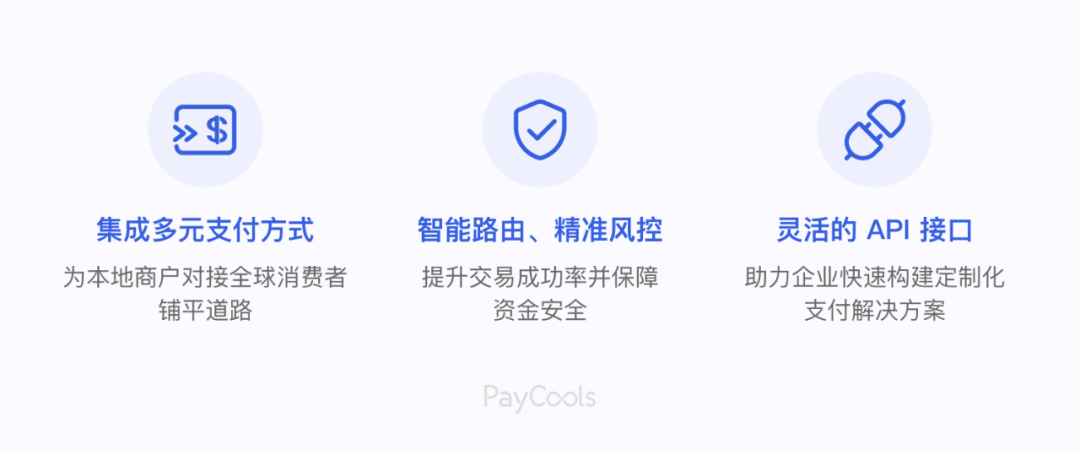
Looking ahead, digital payment in the Philippines will continue to advance along three main tracks: inclusiveness, innovation, and global connectivity. The continuous technological evolution will expand the boundaries of payment scenarios. Meanwhile, global payment service providers like PayCools, with their stable, efficient and secure payment infrastructure, will provide crucial support for local enterprises in the Philippines to go global and for international capital to enter the Philippine market.