The Reform of Indonesian Rupiah Denominations and the Deep Evolution of the Digital Payment Ecosystem
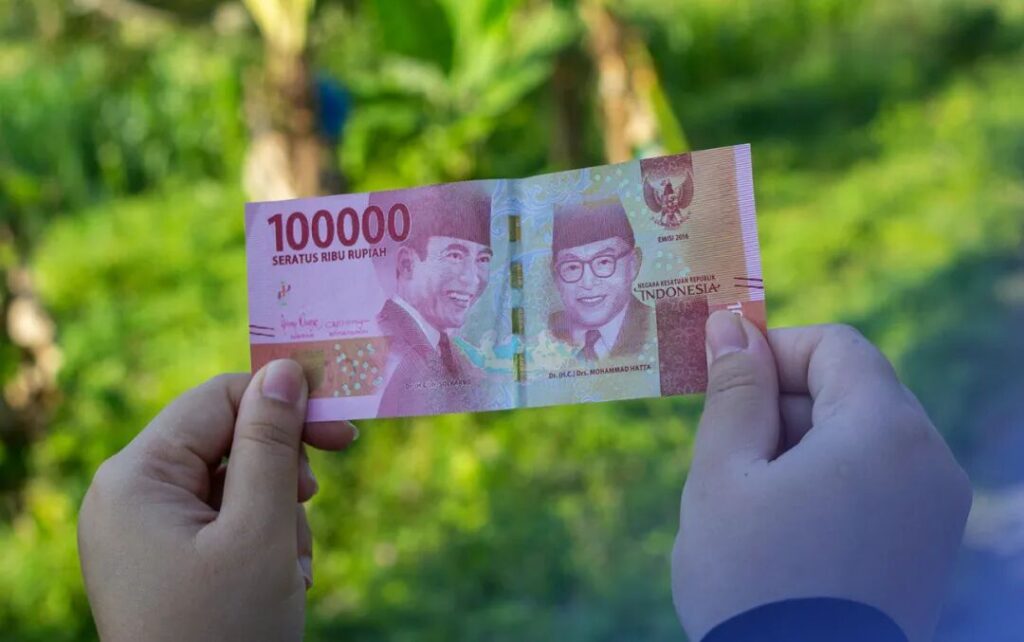
According to the “Strategic Plan 2025-2029” signed by the Indonesian Ministry of Finance in October 2025 (Regulation No. 70 of the Minister of Finance 2025) and reports from “The Jakarta Post” and others, the Indonesian government is accelerating the implementation of the currency denomination simplification reform and plans to complete the “Indonesian Rupiah Denomination Amendment Bill” legislation by 2027. As explained by the Ministry of Finance, the core of the denomination restructuring lies in simplifying the valuation unit rather than changing the currency value.
The reform of Indonesian rupiah denominations not only signifies the modernization process of the country’s monetary system, but also forms a strategic and deep synergy with the rapidly developing digital payment ecosystem. This reform is reconfiguring Indonesia’s financial infrastructure, injecting unprecedented impetus into the development of QRIS (Indonesian standard QR code) and electronic wallets, and promoting the integration of the process of currency simplification and digitalization.
Current Situation Section: The Payment Ecosystem Landscape Before Reform
The Indonesian Standard QRIS system had already demonstrated strong growth momentum before the denomination reform. According to the latest statistics from the Central Bank of Indonesia, the coverage of QRIS merchants has exceeded 30 million, and the transaction network has spread across all major islands. However, this expansion process is facing multiple challenges: The complexity brought by high-denomination currencies requires small-scale merchants to still invest a lot of effort in daily reconciliation; In cross-border payment scenarios, the complex exchange rates and the characteristics of the Indonesian rupiah denomination have become technical obstacles; Merchants and consumers in rural areas still hold a wait-and-see attitude towards digitalization due to the difficulty in understanding currency denominations.
The electronic wallet market is also at a critical turning point. Major platforms such as GoPay, OVO, and DANA have reached the growth plateau in terms of user scale and urgently need to find new growth engines. Current data shows that the average transaction amount per user is generally concentrated in the range of 100,000 to 500,000 Indonesian rupiah. This phenomenon reflects the cautious attitude of users towards high-denomination electronic payments. At the same time, the penetration rate of electronic wallets among middle-aged and older users has slowed down. Part of the reason for this can be attributed to their familiarity and reliance on the current currency system.

Opportunities Section: Structural Changes That Reform May Bring
The implementation of the denomination reform is expected to reshape the payment ecosystem at three levels.
From a technical perspective, the simplification of currency calculation will make the interface of the payment system clearer, and the efficiency of transaction input is expected to be significantly improved. Payment service providers will have the opportunity to optimize the system architecture and reduce the failure rate of transactions caused by incorrect amount calculations.
At the user behavior level, the new denomination system is expected to change consumers’ payment mentality, potentially driving an increase in the transaction volume of mid-range goods and services. The e-wallet platform will have the opportunity to break through the psychological barriers of users’ consumption and expand the boundaries of transaction scenarios.
In the field of cross-border payment, the unified standardized denominations will remove significant obstacles for QRIS to connect with payment systems in other countries. The integration process of the QR code payment networks within the Southeast Asia region may thus accelerate. In particular, cooperation in payment with countries such as Singapore and Malaysia, which have adopted a simplified currency system, is expected to make breakthrough progress.
Prospective Section: The Evolutionary Path of the Reformulated Ecology
After the denomination reform is completed, the payment market in Indonesia is expected to exhibit a new development trend. The QRIS system is expected to achieve a new round of growth in merchant coverage within 12 months after the reform, especially in rural areas and in cross-border scenarios, where the expansion speed may exceed expectations. The electronic wallet platform will focus on upgrading user experience, developing value-added services based on the new denomination system, and exploring innovative business models such as personalized recommendations and intelligent finance. The standardization of payment data will also create more favorable conditions for innovative services such as merchant credit and supply chain finance.
From a regional perspective, the modernization of Indonesia’s payment system will enhance its influence in the digital payment ecosystem of Southeast Asia. A unified currency standard will enable Indonesia to play a more significant role in the regional payment integration process, especially in regional initiatives such as the interoperability of QR codes in ASEAN.
PayCools: The Intelligent Partner Empowering the New Payment Ecosystem in Indonesia
During the crucial period when the Indonesian rupiah denomination reform is deeply integrated with digital payment, PayCools, as a technology platform specializing in intelligent payment solutions and merchant empowerment, is actively assisting Indonesian merchants and consumers with its advanced technical architecture and localized service capabilities.